Introduction
A water ionizer system is often promoted as a premium home solution for better hydration, cleaner water, and improved wellness. Many brands position it as an upgrade over traditional purifiers, especially for health-conscious families. But do you actually need one in your home, or is it just another high-end trend in the water purification market?
In this blog, you will understand how a water ionizer system works, what features this ionizer offers, what benefits are realistic, and whether it is truly worth your investment based on practical needs rather than marketing claims.
What Is a Water Ionizer System and How Does It Work?
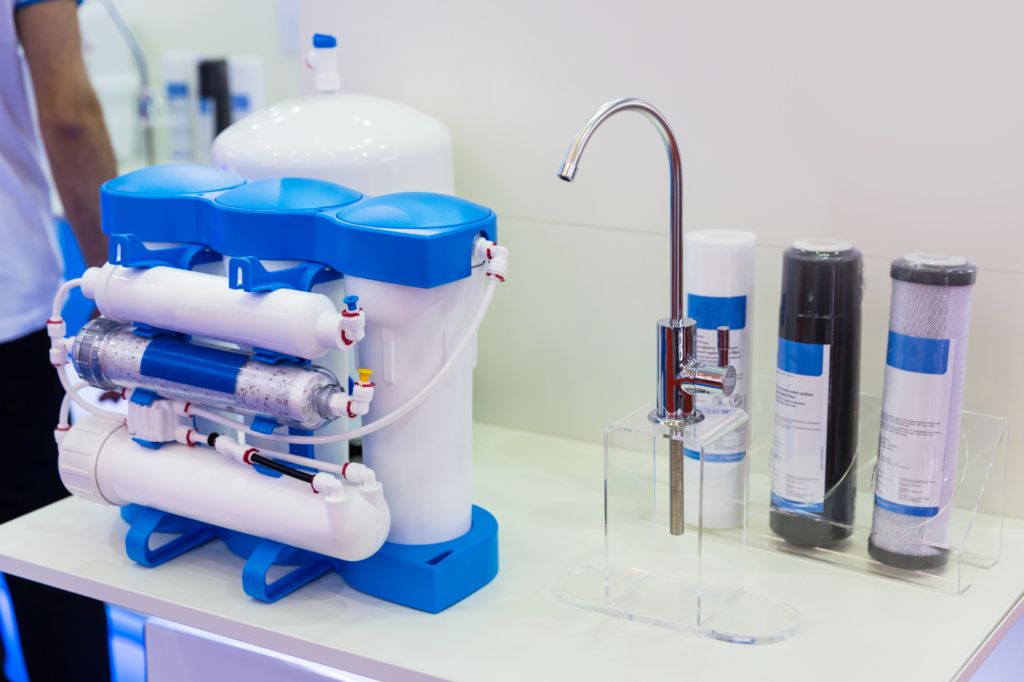
A water ionizer system is an advanced water device that first filters your tap water and then uses electrolysis to separate it into alkaline and acidic streams. The process involves passing water over titanium plates, which are often coated with materials like platinum, to generate different pH levels.
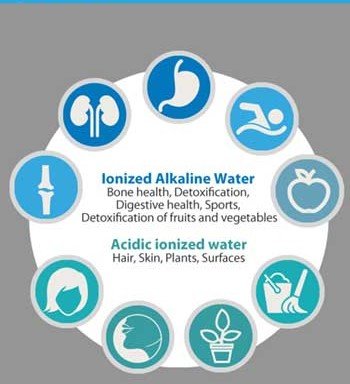
The filtered alkaline water is usually marketed for drinking, while the acidic water is sometimes suggested for external use such as cleaning or skincare. Most systems also include multiple filtration stages to reduce chlorine, sediments, and certain heavy metals before ionization begins.
In simple terms, it is not just a purifier but a combination of filtration and water purification and modification technology. However, the effectiveness of each feature depends heavily on water quality, system build, and maintenance.
Why Are People Interested in a Water Ionizer System?
Interest in the water ionizer system has increased mainly due to rising awareness about health, hydration, and water quality. In many urban households, people are looking beyond basic purification and exploring premium options that promise additional wellness benefits.
Marketing of alkaline ionizer systems often highlights ideas like improved energy, better hydration, and overall wellness support. While these claims attract attention, the real motivation for most buyers is simpler. They want clean, better-tasting water and a modern system that fits into a health-focused lifestyle.
Another reason for popularity is product positioning. These systems are often designed with sleek finishes, digital controls, and advanced features, making them appealing for households that already invest in premium kitchen appliances.
Key Features of a Water Ionizer System
A water ionizer system is usually priced higher than standard purifiers because of its advanced components and added features. Understanding these features helps you judge whether the system is worth the cost.
Common features include:
- Multi-plate technology, often using 5 to 7 titanium plates
- Adjustable pH levels for different types of water output
- Multi-stage filtration to reduce impurities before ionization
- Flow rates around 40 to 50 liters per hour for household use
- Digital displays for easy monitoring and control
- Auto-cleaning function to reduce manual maintenance
These features are designed to provide convenience and flexibility, especially for users who want more control over their drinking water.
Real Benefits You Can Expect
When evaluating a water ionizer system, it is important to separate practical benefits from marketing claims. The most reliable benefit is improved filtration quality, which helps remove common contaminants and improves taste.
Some users also report drinking more water because ionized water may taste smoother or more pleasant. This can indirectly support better hydration habits, which is always beneficial for overall health.
However, claims like detoxification, dramatic energy boosts, or significant changes in body pH, along with concerns around alkaline water side effects, are not strongly supported by scientific evidence. The human body already regulates pH levels naturally through organs like the kidneys and lungs, regardless of water type.
So while the system may improve water quality and user experience, it should not be seen as a medical or therapeutic solution.
Water Ionizer System vs RO + UV Purifiers
Before investing in a water ionizer system, it is important to compare it with traditional RO + UV purifiers, which are widely used in households.
RO + UV systems are primarily designed to remove harmful contaminants, bacteria, and dissolved solids. They are reliable, cost-effective, and widely tested in Indian water conditions.
A water ionizer system, on the other hand, goes beyond basic purification and adds ionization features. This makes it more complex and expensive but not necessarily essential for every home.
If your main concern is safe drinking water, a standard RO + UV system may already be sufficient for effective water purification. If you are looking for advanced features and are comfortable with higher investment, a water ionizer system may be considered as an upgrade.
Cost and Maintenance Considerations
One of the most important factors in choosing a water ionizer system is cost. These systems are generally positioned in the premium category due to advanced technology and design.
Apart from the initial price, maintenance is another long-term consideration. Filters need periodic replacement, and professional servicing may be required to maintain performance.
Before purchasing, it is important to understand:
- Filter replacement frequency and cost
- Annual maintenance requirements
- Warranty and service coverage
- Electricity consumption
Some companies offer installation support, maintenance packages, and service discounts, which can reduce long-term effort. However, these should be evaluated carefully before making a final decision.
Who Should Consider a Water Ionizer System?
A water ionizer system is not a one-size-fits-all product. It is better suited for specific types of users who value premium features and design.
It may be suitable for:
- Families focused on modern wellness appliances
- Households already using advanced kitchen systems
- Users who prefer customizable water settings
- People willing to invest in premium home upgrades
It may not be necessary for users who only need basic water purification or are looking for budget-friendly solutions.
Common Misunderstandings Before Buying
Many buyers make decisions based on marketing claims without fully understanding the product. One common misunderstanding is that alkaline water significantly improves health outcomes, which is not strongly supported by medical research.
Another misconception is that ionized water provides superior hydration compared to normal clean water. Hydration mainly depends on water intake, not the ionization process.
It is also important not to ignore local water quality. In many cases, proper filtration matters more than advanced features like pH adjustment.
Why a Consultation Helps You Make a Better Decision
Choosing a water ionizer system becomes easier when you understand how it fits your specific water conditions and household needs. A direct consultation with a product expert can help you evaluate whether this system is suitable for your home or if a simpler purifier would be more practical.
During a consultation, you can discuss your water source, usage requirements, and budget. This helps you understand real-world performance instead of relying only on promotional claims.
You also get clarity on installation process, maintenance requirements, servicing support, and long-term cost expectations. These details are often missed during online research but are very important for long-term satisfaction.
Instead of guessing, a consultation helps you make a more informed and confident decision based on actual needs rather than assumptions.
Take the Next Step Toward Better Water at Home
If you are exploring options to improve your home water quality, a water ionizer system may be one of several choices available. The right decision depends on your water conditions, budget, and expectations.
You can move forward by:
- Requesting detailed product information based on your home needs
- Speaking with an expert for model comparison and pricing clarity
- Reviewing installation and maintenance details before deciding
Taking this step ensures you choose a system that matches your requirements without confusion or unnecessary spending.